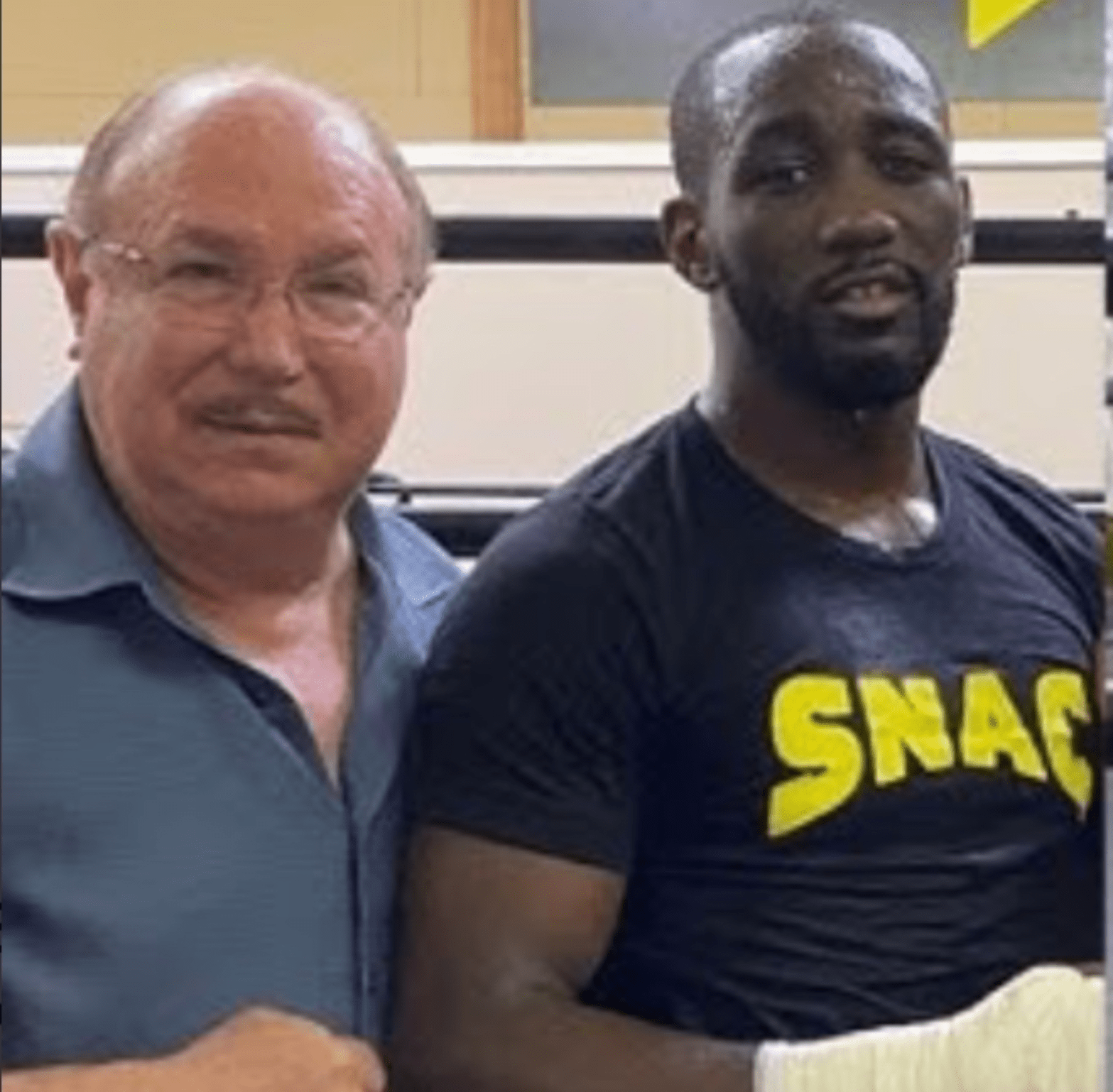
The allegations of SNAC fighters cheating stem primarily from the controversial history of Victor Conte, the founder of SNAC (Scientific Nutrition for Advanced Conditioning), a sports nutrition company that works with various high-profile athletes, including boxers and MMA fighters. Conte was at the center of the BALCO scandal in the early 2000s, where he admitted to providing performance-enhancing drugs (PEDs) to athletes, including undetectable steroids, leading to his conviction in 2005. This past has cast a long shadow over his subsequent work with SNAC, leading some to suspect that fighters associated with the program might be using illicit substances or methods to gain an edge, even without direct evidence in many cases.
The suspicion often arises because SNAC promotes supplements and training stacks designed to boost energy, strength, endurance, and recovery—attributes that could theoretically mask or complement PED use. Critics, including fans and fighters, point to Conte’s expertise in doping from his BALCO days, suggesting he could help athletes evade detection while still enhancing performance. For example, fighters like Devin Haney, Terence Crawford, and others linked to SNAC have faced accusations from opponents or observers, often fueled by Conte’s reputation rather than concrete proof like failed drug tests. In 2023, Gervonta Davis publicly accused Haney of cheating due to his association with SNAC, though he later deleted the posts, and Conte denied any wrongdoing, emphasizing that Haney underwent rigorous VADA (Voluntary Anti-Doping Association) testing for his fights.
Another layer to the allegations is the broader context of combat sports, where PED use has historically been a concern. High-profile cases of fighters testing positive—such as Alistair Overeem, Jon Jones, or T.J. Dillashaw in MMA, or boxers like Tyson Fury and Canelo Alvarez—keep the issue in the spotlight. When SNAC fighters perform exceptionally well or show remarkable physical improvements, skeptics on platforms like X or in boxing circles sometimes attribute it to cheating, citing Conte’s involvement as a red flag. However, Conte has repositioned himself as an anti-doping advocate since his prison term, and many SNAC fighters, like Haney, have passed stringent testing, which complicates the narrative.
The allegations remain largely speculative because hard evidence—like a positive drug test—rarely accompanies them for current SNAC fighters. Amir Khan, a former SNAC athlete, did receive a two-year ban in 2023 for a banned substance, but this is an exception rather than the rule among Conte’s recent clients. Instead, the accusations often reflect distrust in the sport’s testing systems, Conte’s past, and the competitive rivalries that fuel trash talk. Without definitive proof, these claims hover in a gray area, driven by perception, history, and the high stakes of professional fighting.
 PUNSH DRUNK BOXING