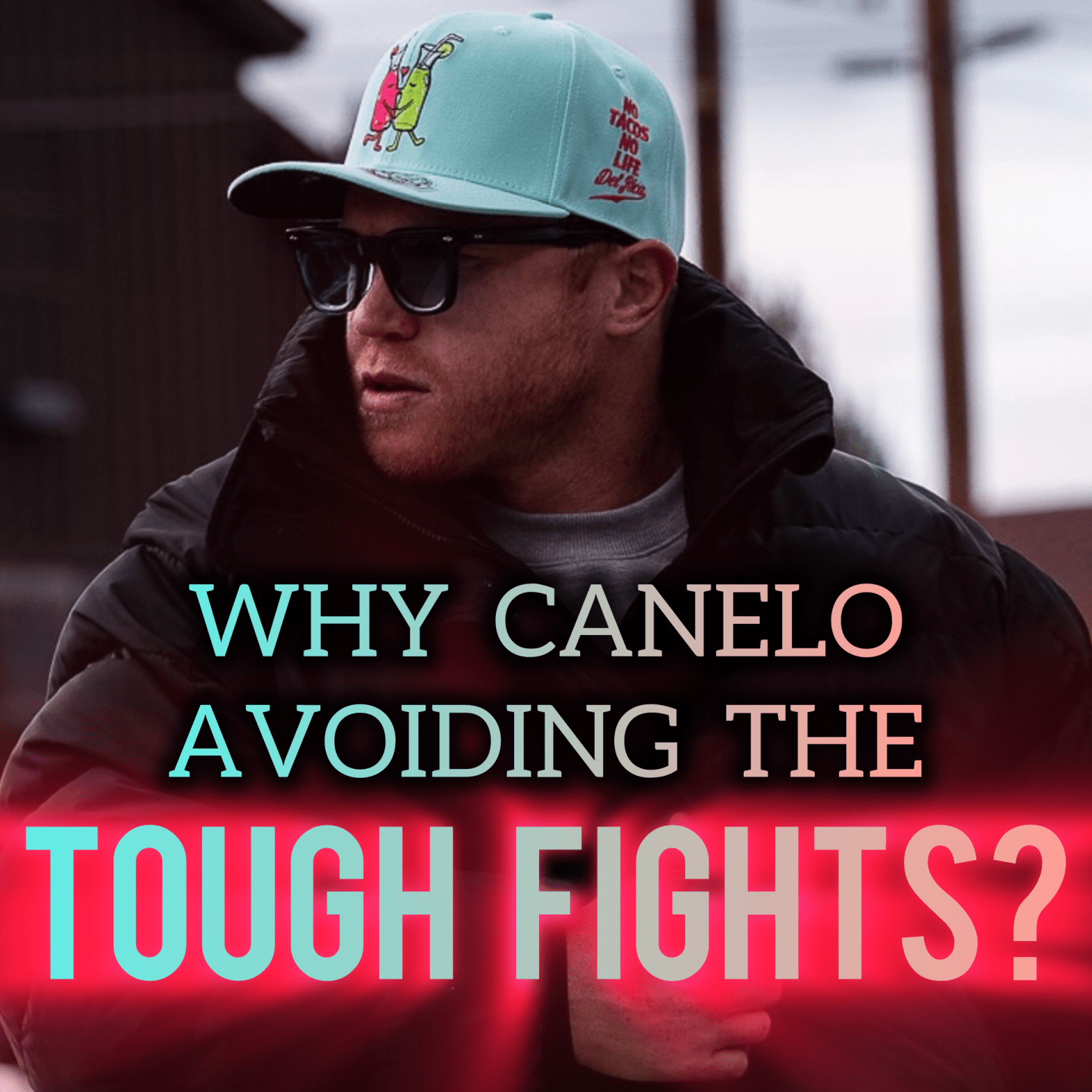
Canelo Alvarez has faced criticism for avoiding certain “big fights,” like matchups against David Benavidez or a rematch with Dmitry Bivol at light heavyweight, despite his status as a boxing superstar. Several factors appear to drive these decisions. First, at 34 years old with a record of 62-2-2 and titles across four weight classes, Canelo has little left to prove. He’s already achieved undisputed status at super middleweight (until losing the IBF title in 2024 for not facing mandatory challenger William Scull) and beaten elite names like Gennady Golovkin and Miguel Cotto. This might reduce his urgency to take on risky challenges when he can opt for more winnable, lucrative bouts instead.
Second, financial considerations play a huge role. Canelo reportedly demanded $150-200 million for a Benavidez fight, far exceeding the $70 million offered, suggesting he’s prioritizing paydays that match his market value over legacy-defining risks. His recent opponents—like Jaime Munguia and Edgar Berlanga—offer decent pay-per-view draws without the same threat level as Benavidez or Bivol, aligning with a strategy to maximize earnings late in his career.
Third, Canelo has been vocal about controlling his path. He’s said, “I can do whatever I want,” reflecting a shift from chasing accolades to dictating terms. For instance, he dismissed a Terence Crawford fight, arguing that beating a smaller opponent wouldn’t earn him credit—only criticism if he lost. Similarly, after losing to Bivol in 2022, he’s shown reluctance to revisit 175 pounds unless the conditions (and money) suit him, despite Bivol offering a rematch at 168.
Finally, physical decline could be a subtle factor. Observers have noted he hasn’t looked as sharp since 2021, with no knockouts in his last five fights. Facing younger, hungrier fighters like Benavidez (27, undefeated) might feel less appealing if he senses his peak has passed, especially after a grueling 18-year career.
 PUNSH DRUNK BOXING